Connecting the live music industry
European Festival Conference Celebrates 10th Anniversary
November28
The sixth edition of the European Festival Conference (EFC) took place from 18–21 November in Évora, Portugal, marking the event’s 10th anniversary and drawing a sold-out delegation.
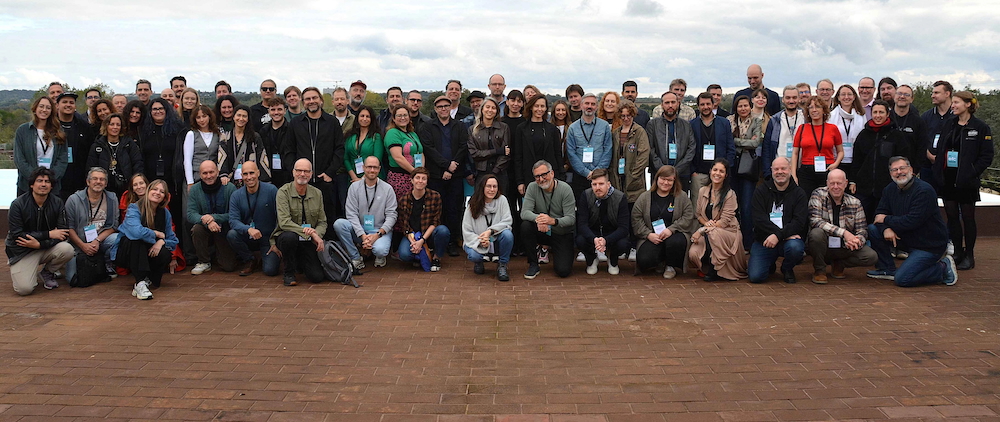
Organised by Yourope in collaboration with the EU-funded Future-Fit Festivals project, the conference brought together more than 80 participants from 22 countries for four days of sector-focused discussions and networking.
Yourope reported returning from the week “exhausted, but happy and proud,” highlighting the strong speaker programme, open exchanges and engaged atmosphere among delegates. According to the organisers, the high-quality contributions and transparent dialogue throughout the sessions set a notable benchmark for the event.
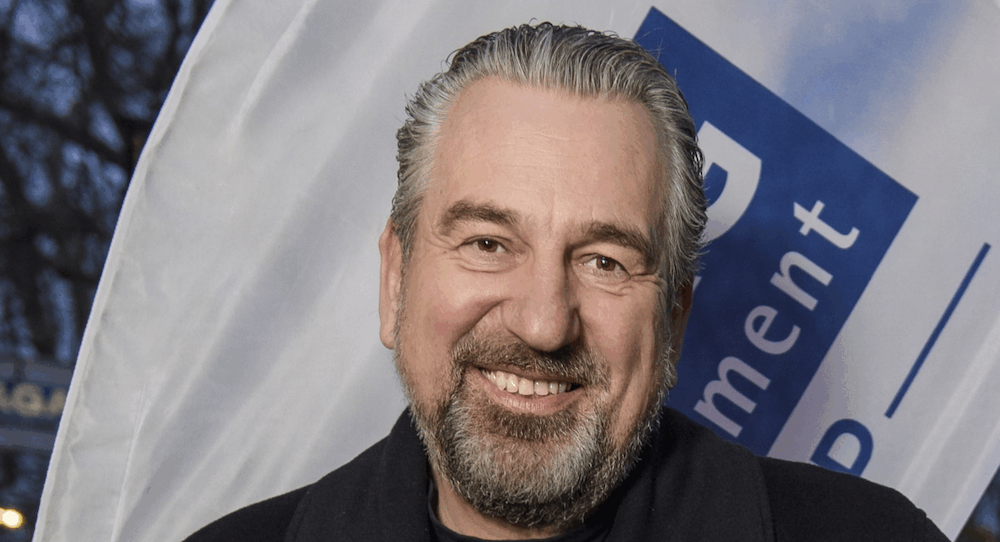
This year’s agenda approached the festival sector’s most pressing challenges head-on, including escalating political pressure, rising production costs, extreme weather and an increase in boycott movements. YOUROPE’s General Secretary and EFC programme lead Holger Jan Schmidt said the team intentionally expanded space for these difficult topics:
“We didn’t shy away from the difficult topics for the sake of a more comfortable atmosphere. On the contrary – we made more room for them than most big conferences ever do. The result was truly important, in-depth exchanges on the key issues facing our industry, giving many delegates something they can take home and apply immediately.”
The conference opened with a review of the turbulent 2024–25 festival seasons from Yourope Chairman Christof Huber, who reaffirmed support for the Music Saves Ukraine initiative. The opening panel featured Rock in Rio’s Roberta Medina, Ruisrock’s Mikko Niemelä and Superbloom Festival’s Fruzsina Szép, who discussed cost inflation, competition from stadium tours and shifting audience behaviour.
A major theme across the sessions was the growing politicisation of the festival environment in Europe. Organisers from Exit, Sziget, Boom and Øya described boycotts, disinformation campaigns and political restrictions. Climate expert Professor Miguel Almeida (University of Coimbra) warned that current climate indicators increasingly align with the IPCC’s most pessimistic scenarios, calling for more structured risk planning rather than reactive responses.
Beyond the formal programme, the EFC offered a wide social and cultural agenda, including a wine tasting, a guided tour of Évora — the European Capital of Culture 2027 — and several networking dinners and evening events.
The conference closed with an emotional session titled This Is Why We Do It, featuring dozens of personal stories from delegates reflecting on the purpose and passion that drive the live-music and festival community.
Schmidt described the final feedback as exceptional:
“The euphoric reactions from delegates as they left the EFC blew me away. We thought we had put together a strong programme, but it’s clear we struck a balance between a rich and relevant conference agenda and extraordinary side events.
The openness and honesty with which our colleagues share their experiences at the EFC is something you would never see at one of the big business conventions. We offer a safe space and right now, that’s exactly what people need.”
He added that more than one participant called it “the best EFC ever,” crediting the organising team for creating a standout edition.

With VIP-Booking.com, you can search for anyone in the live music industry - try it yourself!
Search Artists:

Trusted by professionals in the live music industry around the world for 25 years!