Connecting the live music industry
Lawsuit highlights need for written agreements
March24
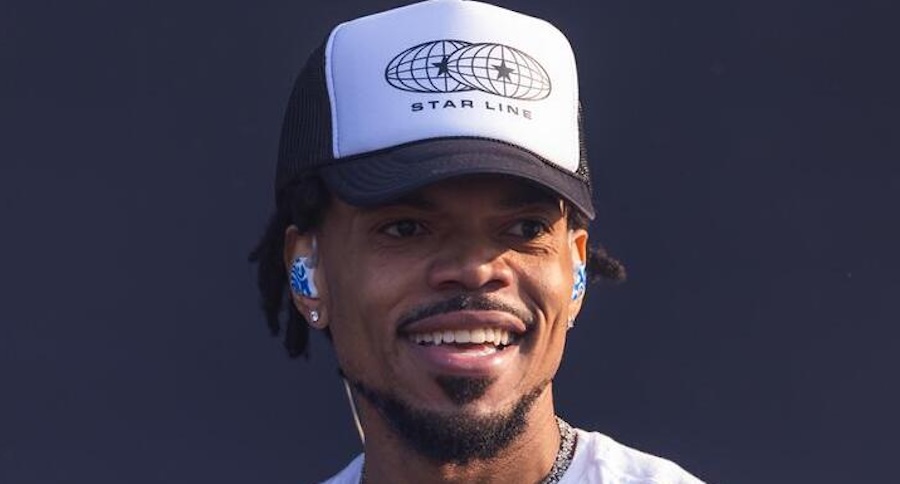
A jury in Chicago has ruled in favor of Chance the Rapper in a long-running legal dispute with his former manager Pat Corcoran, rejecting a $3.8 million claim tied to an alleged profit-sharing agreement.
The case, heard in Cook County Circuit Court, centered on an oral agreement dating back to 2013.
Corcoran claimed he was entitled to 15% of net profits across multiple revenue streams, including a three-year post-termination “sunset clause” following his dismissal in 2020. A sunset clause typically allows a manager to continue earning commission for a limited period after a working relationship ends, usually on deals initiated during the management term.
However, the absence of a written contract proved decisive. Chance’s legal team argued there was no documented evidence supporting the existence of a sunset clause or the broader terms of the alleged agreement. The jury ultimately sided with the artist, dismissing Corcoran’s financial claims.
Minimal damages highlight evidentiary challenges
While the jury also ruled in favor of Chance in a countersuit filed in 2021, the outcome further illustrated the limitations of undocumented agreements. The artist was awarded just $35 in damages on a claim of interference with business relationships—far below the $1 million initially sought—and no damages were granted on a breach of contract claim due to insufficient evidence.
The verdict reflects the broader difficulty of quantifying claims when formal documentation is lacking on either side of a dispute.
Industry takeaway: formalise agreements early
Legal representatives involved in the case pointed to the ruling as a clear signal for industry professionals. The dispute, which spanned more than five years, ultimately hinged not on differing interpretations of a contract—but on the absence of one.
In the live and recorded music sectors, where long-term relationships between artists, managers, and partners often begin informally, the case reinforces the importance of clearly defined, written agreements covering revenue participation, post-termination rights, and scope of services.
Without such documentation, even high-value claims may be difficult to substantiate, while counterclaims may struggle to demonstrate measurable losses.
Background to the dispute
Corcoran managed Chance during a period of significant growth in his career, including the release of the 2019 album The Big Day. Following the project’s commercial performance and the cancellation of a planned tour, the working relationship ended in April 2020.
Subsequent disagreements over compensation and contractual obligations led to the legal proceedings, which concluded after a two-and-a-half week trial in March 2026.
The outcome highlights a recurring issue across the music business: as deal structures become more complex and revenue streams more diversified, reliance on informal or verbal agreements presents increasing legal and financial risk for all parties involved.

With VIP-Booking.com, you can search for anyone in the live music industry - try it yourself!
Search Artists:

Trusted by professionals in the live music industry around the world for 25 years!