Connecting the live music industry
UK festival transitions to employee ownership model
April22
UK independent festival Shambala has transitioned to employee ownership, with parent company Kambe Events transferring control to an Employee Ownership Trust (EOT) in what is described as a first for the country’s festival sector.
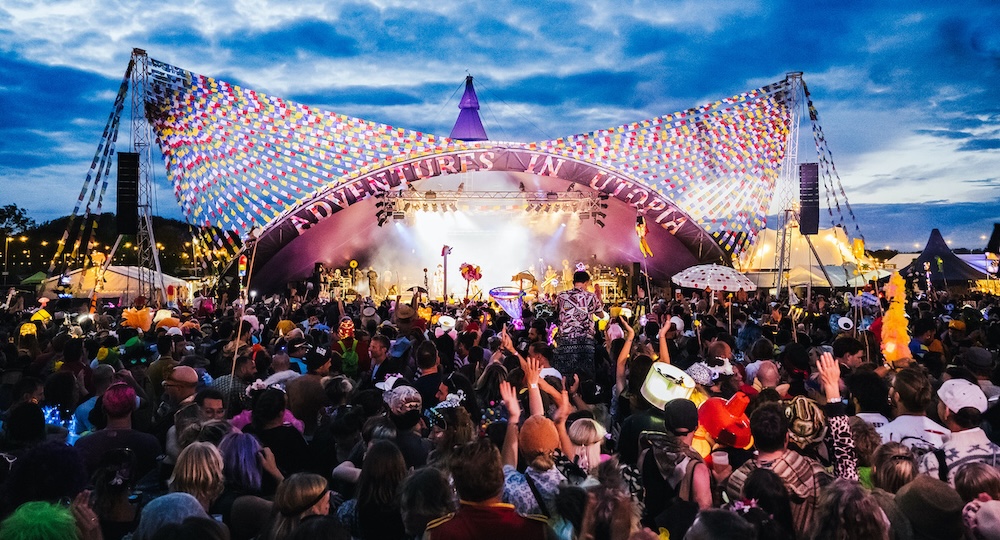
Under the new structure, the festival’s co-founders have stepped away from ownership, with shares now held collectively on behalf of employees who have contributed to the business over more than two decades. The EOT model is designed to keep the company independent while enabling staff to benefit from its future performance.
The transition comes amid continued consolidation across the live events sector, where a number of independent festivals have been acquired by larger promoters and investment-backed groups in recent years. Shambala’s shift to employee ownership represents an alternative route, aimed at maintaining operational independence and long-term strategic control.
Chris Johnson, co-founder and managing director, said the move reflects the role of the team in building the festival and positions them as long-term stakeholders.
"All of us at Shambala have an emotional stake in what we have built over 25 years; now everyone has an ownership stake too,” Johnson said. “We would be nothing without our people, and they deserve to carry on the Shambala legacy as beneficiaries."
He added that the company had explored alternatives to traditional ownership models before selecting employee ownership.
“Shambala stands for independence and, in an increasingly commercialised festival scene, we simply could not sell to venture capitalists or the big promotion companies,” Johnson said. “While exploring alternative paths, we fell in love with the Employee Ownership model.”
Dan Raffety, head of music and co-founder, who led the transition process, described employee ownership as part of a broader effort to explore different business structures within the live events industry.
“It is patently clear that the current capitalist model is fundamentally broken,” Raffety said. “As a society we must explore alternative models of ownership as a way through which the massive power and potential of capitalism can be focused on serving humanity and the planet at large.”
“Employee Ownership is just the next, natural step in Kambe’s adventures towards a utopia - the next phase in our constant evolution towards justice and a better world.”
While employee ownership models have gained traction in other sectors and in parts of the cultural economy, including community-led venue initiatives, their adoption within the UK festival market has been limited. The move by Shambala may provide a reference point for other independent operators assessing ownership and succession strategies.
Founded more than 25 years ago, Shambala has positioned itself around sustainability and ethical operations. The new ownership structure is intended to support continuity of those principles while aligning governance more closely with its workforce.

With VIP-Booking.com, you can search for anyone in the live music industry - try it yourself!
Search Artists:
Trusted by professionals in the live music industry around the world for 25 years!