Connecting the live music industry
Superstruct introduces Artistic Code for festivals
September10
UK based Superstruct Entertainment has launched an Artistic Code setting out shared principles for artistic programming across its portfolio of more than 80 festival and live event brands worldwide.
Unveiled at the International Festival Forum in London, the code provides guidance covering booking, contracting and live performances, while supporting the creative independence of individual festivals.
The UK-based group was established in 2017 and expanded through acquisitions across the international festival sector. In 2024, investment firm KKR agreed to acquire Superstruct from Providence Equity Partners. At the time, its portfolio included festivals such as Germany’s Wacken Open Air, Denmark’s Tinderbox and the UK’s Boardmasters.
The Artistic Code centres on four principles: protecting artistic freedom within the law; creating safe and welcoming spaces; ensuring programming and partnerships reflect the company’s values; and promoting inclusivity and fairness.
According to Superstruct, artists should not be censored simply because their views are controversial. The code also sets out zero tolerance for discrimination or behaviour that puts people at risk, alongside opposition to campaigns of incitement and movements motivated by intolerance.
The company said it does not operate banned lists and that performances should only be interrupted for safety reasons. The guidance is intended to give artists and festival teams a consistent approach while respecting each event’s identity.
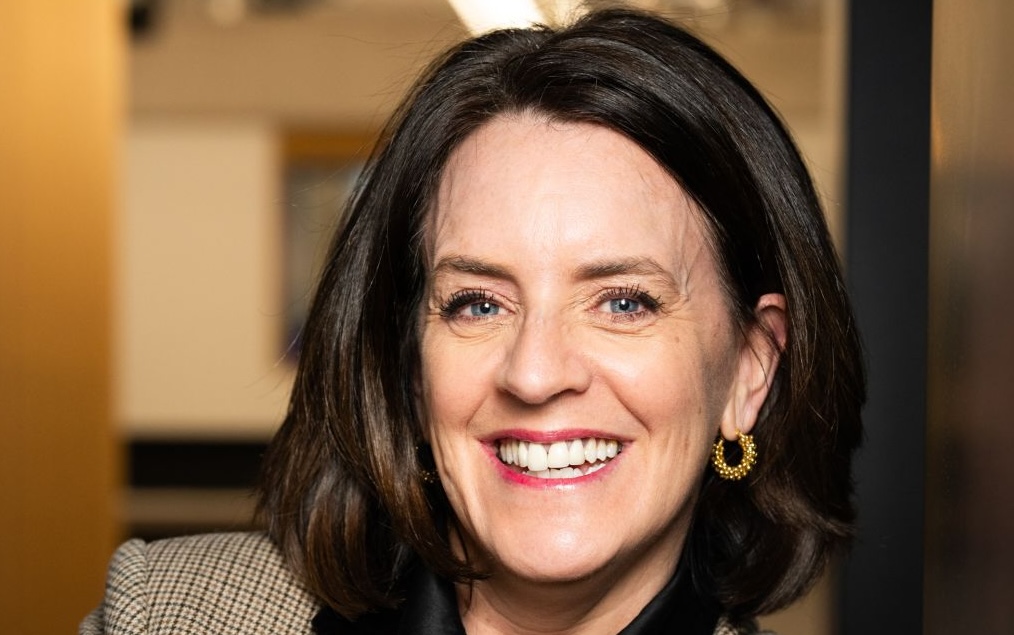
Rebecca Kane Burton, Chief Operating Officer at Superstruct Entertainment, said:
“Artistic freedom sits at the heart of our festivals. They are places for artists to express themselves, challenge ideas and bring different points of view to audiences.
“We believe strongly in backing that freedom. The Artistic Code makes our position clear and gives artists and our festival teams shared principles to work from, with creative independence at the heart of them.
“We’re making it public because we want to share what we’ve learned and contribute positively to the wider industry conversation.”
Superstruct said the code would evolve alongside its festivals and the wider cultural landscape, drawing on practical experience and continued industry discussion.

With VIP-Booking.com, you can search for anyone in the live music industry - try it yourself!
Search Artists:
Trusted by professionals in the live music industry around the world for 25 years!