Connecting the live music industry
LA Jazz Festival Cancels 17-Day Debut
August12
The inaugural LA Jazz Festival has been cancelled just as the ambitious 17-day citywide event was due to begin, affecting more than 160 artists and a programme that organisers had projected could attract 250,000 people.
The festival was scheduled to run from August 7-23 across Los Angeles, combining free concerts in public parks, club shows, educational programmes and a Caribbean street carnival with a large-scale ticketed closing weekend at Dockweiler Beach.
John Legend, Janelle Monáe, Charlie Wilson, Parliament Funkadelic featuring George Clinton and Raphael Saadiq were among the headline names booked for the Jazz on the Beach finale on August 22-23. The closing weekend was reportedly designed for crowds of up to 40,000 per day.
Other artists announced across the festival included Lalah Hathaway, Chief Adjuah, Terrace Martin, Cory Henry & The Funk Apostles, Adekunle Gold, Tito Puente Jr., Ezra Collective, Nubya Garcia, Big Freedia, Original Koffee, MonoNeon and Poncho Sanchez.
Permitting and public-safety costs blamed
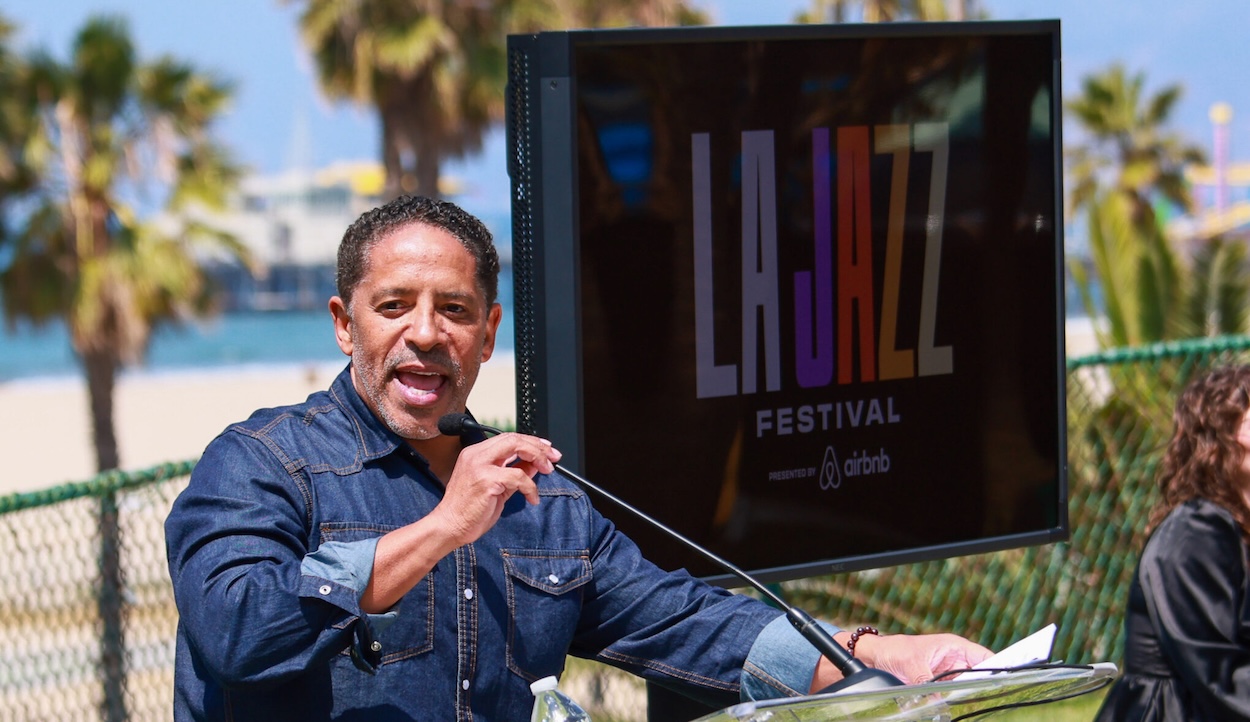
Founder and CEO Martin Ludlow said the cancellation resulted from unexpected expenses connected with the final approval of the festival`s biggest event.
“Due to significant, unanticipated last-minute public safety and municipal costs associated with the final permitting of the On The Beach Festival, we have reached the decision to unfortunately postpone this year’s inaugural LA Jazz Festival,” Ludlow said.
“Although this decision was an extremely difficult one to reach, our commitment to the audiences and artists participating in the festival is to have a first-class experience worthy of the great legacy of Jazz and our great city.”
Organisers said they intend to relaunch the project in 2027 and that existing ticket holders will receive full refunds within 30 days.
The cancellation raises wider operational questions for large-scale urban festivals, particularly around the timing and certainty of municipal permitting, security requirements and other public-safety costs. The event had already entered its production and artist-commitment phase before the final costs reportedly made the 2026 edition unviable.
Large-scale and unusual festival model
The LA Jazz Festival was designed differently from a conventional single-site festival. Organisers planned to effectively turn Los Angeles into a distributed festival site, using parks, clubs, restaurants, streets and beaches across the region.
The programme included around 25 Jazz in the Park concerts, a Jazz After Dark club series, a Caribbean Street Carnival with four stages in Venice, a State of Jazz industry conference, cultural tours and a free youth jazz camp intended to involve more than 2,000 young people.
Organisers said approximately 75% of the festival`s tickets and activities were intended to be free, making sponsorship and partnerships particularly important to the event`s business model. Airbnb had signed on as inaugural title sponsor, while StubHub was announced as the festival`s official ticket marketplace.
The projected 250,000 attendance would have positioned the event among the world`s largest jazz festivals, according to organisers.
Artists report financial losses and communication problems
The last-minute cancellation has also created concerns among artists, agents and suppliers.
Several musicians said they had already incurred travel, rehearsal and production expenses when the cancellation was announced. Some reportedly arrived in Los Angeles before learning that their performances would no longer take place.
Jazz guitarist Nicholas Mycio said he had turned down more than $1,500 worth of other work because of a radius clause connected with his festival contract, while also investing money in the production of his planned appearance. He said communication from organisers had been limited and that his performance had still not appeared on the festival website despite having signed a contract.
Booking agent Maurice Montoya, who reportedly booked 15 artists for the event, was also among industry professionals affected by the cancellation.
The reported use of radius restrictions makes the cancellation particularly relevant from an artist and agency perspective, as affected performers may have lost both festival income and alternative engagements during the period covered by their agreements.
Signs that the event was being scaled back emerged shortly before the scheduled opening. Organisers announced on July 31 that significant parts of the programme were being consolidated around the Dockweiler Beach weekend, while some performers were subsequently informed that individual events had been postponed because of permitting and production issues.
Experienced event producer behind festival
Ludlow founded Los Angeles-based production company Bridge Street in 2012 and serves as its president and CEO. The company specialises in large-scale events combining music with civic and social-impact projects.
Bridge Street`s previous work includes involvement with the BET Experience concert series, the Obama Boulevard Naming Ceremony and Concert, events marking the 50th anniversary of Martin Luther King Jr.`s Mountaintop Speech and projects involving artists including Stevie Wonder, Snoop Dogg and Sheila E.
Before entering event production, Ludlow served on the Los Angeles City Council and led the Los Angeles County Federation of Labor. In 2006, he pleaded guilty to charges relating to the diversion of union resources to support his 2003 City Council campaign. He subsequently returned to professional activities and established Bridge Street six years later.

With VIP-Booking.com, you can search for anyone in the live music industry - try it yourself!
Search Artists:
Trusted by professionals in the live music industry around the world for 25 years!